Complementary therapies are becoming a more common addition to treatment plans for people living with arthritis. Complementary therapies are meant to work with rather than replace the arthritis treatments recommended by your doctor. In this section you will learn about complementary therapies and if they can help you manage your arthritis symptoms.
Complementary therapies are becoming a more common addition to treatment plans for people living with arthritis. Complementary therapies are meant to work with rather than replace treatments recommended by your doctor.
Complementary therapies include treatments such as massage, acupuncture, meditation, and naturopathic medicine. Complementary medicine is often focused on a whole-body approach to health and wellness.
Many complementary therapies are regulated professions that require extensive training, but practitioners do not need to be medical doctors to deliver treatment.
What are the differences between Complementary, Alternative, and Holistic Therapy?
There are many different terms that people use when discussing forms of care beyond traditional western medicine. Here are some helpful tips to understand the difference between the terms complementary, alternative, and holistic.
 Complementary: When a form of treatment that your doctor does not use as part of their medical practice (traditional western medicine) is used with the treatment plan from your doctor, it is considered a complementary therapy since the additional form of treatment works with, or complements the treatment from your doctor.
Alternative: When a treatment option not used by traditional medicine is used on its own as the only treatment plan, this is considered an alternative therapy, because it is being used as an instead, or as an alternative to traditional western medicine.
Holistic: The term holistic is sometimes used interchangeably with complementary and alternative health, but typically means taking a whole-body approach to health and wellness. Holistic wellness includes self management for your overall physical, mental, emotional, social, and spiritual wellbeing, and can include forms of complementary or alternative therapies.
Talking with your healthcare team
It is important to find a reputable service provider. Depending on where you live, not all complementary treatment options will be regulated. It is always best to let your primary health care team know which additional treatment options you are using so they can make sure none of your medications or other treatment plans will interfere. As with all forms of complementary therapies, it is important to discuss options with your primary care providers, especially if you experience any negative effects.
There is no one size fits all approach to pain management or relief. What works for one person may not work for another. It can be a frustrating process to find a pain management strategy that works for you. Also keep in mind that some pain management techniques may work better for some types of pain, and not others. When thinking about how to choose a complementary therapy for pain management, consider trying one method at a time. This may take some trial and error, and time to find what works best for you.
Learn about various types of healthcare professionals and the service they provide.
Therapies should complement, not substitute, care
It is important to note that complementary therapies are not a substitution for the treatment you receive from your health care team. They are intended to help provide additional options for symptom relief along with your regular treatments. Sometimes when your symptoms are less disruptive, you may not feel like taking your regular medication, but it is important to keep using your medications as instructed.
Disease-modifying anti-rheumatic drugs (DMARDs) such as methotrexate or biologics help slow down disease progression and minimize joint damage for people with inflammatory types of arthritis. Other treatment such as therapeutic exercise helps protect your joints and reduce pain by strengthening the muscles around them. If you want to adjust your treatment plan or have questions about changes in your symptoms, always consult your doctor first, so they can help you make adjustments specific to you and your body.
Paying for complementary therapies
 Complementary treatment options are not typically covered by government health insurance plans, though some community programs or workplace, group, and private insurance plans offer full or partial coverage for some or all services.
Because most of these therapies are not covered under provincial or federal health plans, finding the right treatment can be an expensive process for many, which may be a discouraging thought.
Before you begin a therapy, it may be helpful to visit 211.ca, call 211, or check with your local municipal or provincial health authority for low or no cost pain management options in your area. Some of these therapies may be available on a sliding fee scale, or through pay-what-you-can options. Additionally, some forms of treatment are offered by community organizations or through funding programs that are able to offset costs for people with lower income.
 Finding a complementary therapy that is right for you can take time. Consider making a list of all the symptoms and concerns you would like to address with complementary therapy, and then compare your list to the types of symptoms and concerns each form of complementary therapy can help with. This can help you narrow down where to start.
You may find you need to try more than one form of complementary therapy, or a few in combination to help improve your symptoms. For example, some people may choose to use Traditional Chinese Medicine and also attend talk therapy, or another person may choose to only use naturopathy. The best fit for you will not necessarily work for anyone else so it is important to consider what you need, and want from complementary therapy.
Keep in mind complementary therapies will not cure, or make all of your symptoms go away, but they may be able to help reduce symptoms, or provide you with more ways to cope with symptoms. It is okay to try more than one form of complementary therapy before you settle on something that works for you.
Finding reliable sources
When learning about different complementary therapies and what you might like to try, it is important to make sure that the source where you get your information is trustworthy and that the information is based on reliable scientific research.
Treatments must be shown to be effective in clinical studies where the treatments are tested on people who have arthritis. These studies must be supervised and reviewed by recognized experts in the field of arthritis, usually someone with academic credentials such as an MD or PhD.
Patient testimonials or product statements that are not backed by research evidence isn’t a reliable source, as these testimonials are often personal opinion rather than studied and analyzed results. Research studies should also involve a large number of participants, be able to show that the treatment is effective for a significant number of people, and show the research wasn’t influenced by outside factors, or biases. This means that studies showing a positive effect on five or ten people is not enough to claim that the treatment will generally be effective for people with arthritis.
Also, if the research was conducted or paid for by a company that stands to make money from the success of the treatment, the results could be influenced, biased, and unreliable.
Points to remember
Don’t forget that there is still no known cure for arthritis. Since its founding in 1948, the Arthritis Society, along with other organizations, has been funding research in the search for a cure for arthritis.
Although many effective medications and treatments have been found, no cure has been discovered to date. As you look for information about arthritis, you may find a number of claims stating that products can cure arthritis. Always read the fine print and be cautious of the promises these treatments make. Considering that there are more than 100 forms of arthritis in adults and children, it is unlikely that there will be only one cure to address all types of arthritis.
Finding trustworthy information and treatment options
The internet has become our go-to source for information, and while there are many accurate sources of knowledge and research online, there are also many false claims about “cures” for arthritis, or false promises about what a treatment option can do for you. It’s important to remember there is currently no cure for arthritis, and no matter what anyone claims, they cannot cure your arthritis for you.
Verifying the credibility of the information you find online can be difficult, but there are several ways to be sure that what you are reading is trustworthy.
 Be cautious of information that is passed on to you as a testimonial. “It helped me and my friends, so it will help you.”
- Avoid anything that results in financial benefit for the promoter.
- Look for credible studies or proof that your complementary therapy choice is beneficial for your type of arthritis and is safe for you to try.
- If you are considering purchasing a product, it’s important to be cautious of items that are sold through multi-level marketing schemes. These products are sold by people you may know or be acquainted with, but they have a financial interest in getting you not only to buy the product but to begin selling it as well. These opportunities are often more about the sales pyramid rather than the product being sold.
- Avoid therapies or treatments that use words such as “miracle”, “cure” and “guaranteed”. If it sounds too good to be true, it usually is.
Questions to ask yourself when you are learning about complementary therapies
- Is the author an expert in the field with recognized credentials and a professional designation?
- Is the information published on the website of a recognized, well-known, highly regarded organization?
- Is the information current and relevant to your type of arthritis and situation?
- If you are seeking treatment for a child: Is the information sufficient to demonstrate its safe use for children?
- Is the information Canadian-based? If not, where did the study take place? Is it still relatable to a Canadian context?
- Is the resource easy to understand with user-friendly language?
- Does the resource provide well-balanced information that suits your lifestyle?
- Does the resource avoid promises of “quick-fix” solutions or “cures”?
- Does the information encourage you to consult with your healthcare provider?
- Is the study funded by a company or person that sells the product?
Talk with your healthcare team
If you do try a complementary therapy, remember to discuss this decision with your healthcare team and let them know right away if you have any negative experiences or side effects.
 Also, keep in mind that a team approach to managing arthritis often produces better results. Working with a healthcare team that has various specialists and professionals helps ensure that you are receiving the most appropriate care and treatments for you.
If there are complementary therapies that you believe will help relieve your symptoms, speak to your healthcare provider.
Even though you know your body best, it is suggested to always consult with a member of your healthcare team that you trust and who can guide you on what complementary treatment options may be best for your needs. If you are considering complementary therapies, the risks and benefits should be discussed with your doctor, especially if you are thinking of changing or replacing prescribed treatments.
If you see more than one healthcare professional, it’s important to keep track of the individual treatment information and to share the advice of one team member with your other providers. This sharing of information helps ensure that your treatment plan is the most effective.
Learn about your type of arthritis
There are more than 100 types of arthritis in adults and children, with various ways to treat and manage them. The two main categories are osteoarthritis and inflammatory types of arthritis. Being informed about your specific type of arthritis will help you and your healthcare team determine the best treatment plan for you.
Arthritis Types A-Z: Learn about your type of arthritis.
Understanding and trusting research information
When looking for information from research studies, keep in mind that a single research study is often not enough on its own to draw any conclusions about how effective a treatment option is. If the results are similar from multiple studies, the results are more likely to be reliable.
Recommended online resources
Below is a list of online resources that can help you learn more about complementary therapies.
 MedEffect
Health Canada’s Marketed Health Products Directorate operates the MedEffect program that provides centralized access to new safety information about health products. MedEffect informs the public about potential risks associated with certain drugs or health products and provides access to adverse reaction reports. Visit the website for more information or call them toll-free at 1.866.234.2345.- Health on the Net
The Health on the Net Foundation (HON) is the leading organization promoting and guiding the use of reliable online medical and health information, and its appropriate and efficient use. Created in 1995, HON is a non-profit, non-governmental organization accredited to the Economic and Social Council of the United Nations. Its website is a search portal that directs users to reliable information based on search terms that they enter. For example, if you enter “arthritis” and “acupuncture” in the search bar, you will receive reliable results related to that topic. - National Institute for Health: National Centre for Complementary & Alternative Medicine
This is a website run by the United States Department of Health and Human Services that includes evidence-based, peer-reviewed information on complementary and alternative therapies. Keep in mind that the information is not specific to arthritis and that the United States and Canada have different approaches to regulating food, drugs, and medical treatment, so an herbal remedy that might be available in the U.S. might not be available in Canada, for example. - National Institute for Health: Office of Dietary Supplements
This is a United States government website with evidence-based, peer-reviewed information on dietary supplements. As mentioned above, the United States and Canada have different approval processes for food, drugs and medical treatments, so what might be approved for use in one country might not be available in the other.National Institute for Health: Office of Dietary Supplements
Online publications
- Online Medical Journals
Online medical journals are another great source of information. This information, however, is not written for average consumers. Since it is prepared for healthcare professionals, the terms and information can be difficult to understand. These journal sites do share some brief overviews of recently published studies, although access to the full site may be limited to registered members or healthcare professionals. Articles may be available for purchase. If you see a study of interest, this is a topic you may want to discuss with your healthcare provider. Some popular online medical journals related to arthritis are listed below. - The Journal of Rheumatology
The Journal of Rheumatology is a monthly international publication owned by the Canadian Rheumatology Association. The journal features research articles on clinical subjects from scientists working in rheumatology and related fields. - Arthritis & Rheumatism
Arthritis & Rheumatism is the monthly journal of the American College of Rheumatology and contains peer-reviewed articles on diagnosis, treatment, laboratory research and socio-economic issues related to all forms of rheumatic disease. The magazine can be found under the “Publications” section of the website. Registration is required. - Annals of the Rheumatic Diseases
Annals of the Rheumatic Diseases is an international peer-reviewed journal committed to promoting the highest standards of scientific exchange and education. It covers all aspects of rheumatology, which includes the spectrum of musculoskeletal conditions, arthritic disease and connective tissue disorders. Registration is required.
Complementary therapy can provide you with additional options to treat the symptoms of your arthritis. Explore the links below to learn more about some of the different forms of complementary therapy. If you are not sure if a treatment is right for you, talk with your healthcare team.
Always be sure to discuss any additional treatments or therapies with your healthcare team before trying out something new. Complementary therapies should only be used in addition to your existing treatment plan, not as a replacement of your current treatment plan, and only at the advisement of your healthcare team.
Types of complementary therapies
Acupuncture is an approach that some people use to treat their symptoms of arthritis. The information below will help you understand more about acupuncture, if it can help with your arthritis symptoms, and how to find an acupuncturist.
What is acupuncture?
Acupuncture is a practice that has been used for centuries. The principles are based in Traditional Chinese Medicine, with an emphasis on repairing and restoring the body’s energy flow, called qi [pronounced chee] to heal disease or illness.
Qi is believed to flow through the body along pathways called meridians. It is thought that when people experience disease, it is a disruption of this energy flow. Acupuncture is used to help restore qi by using long thin needles inserted along specific points of the meridian lines that help to restore the disruption of energy flow.
How does acupuncture work?
 Needles are placed in specific locations along the meridians based on how those pressure points are associated with organs or other areas of the body. For example, a pressure point between the index finger and thumb on the hand is often associated with headaches, and this point may be more tender when experiencing a headache. The needles draw the body’s attention to these points and activate increased blood circulation at these sites.
Can acupuncture be used to treat arthritis symptoms?
Although there is limited reliable research data about the impact of acupuncture on arthritis pain, research does suggest that it can be used to help rheumatoid arthritis symptoms and could have an anti-inflammatory effect as well as help regulate immune function, though more research is needed.
In addition to pain management, acupuncture has been found helpful in reducing side effects caused by arthritis medications, such as nausea or fatigue.
How do I find a provider?
 Some areas of Canada have regulated the practice of acupuncture, including Alberta, British Columbia, Newfoundland & Labrador, Ontario and Québec. In these regions, only people who have met the training requirements can call themselves an “Acupuncturist”. A person must complete at least 3 years of full-time training to earn a Registered Acupuncturist (R.Ac.) credential.
Acupuncture can also be practiced by Registered Traditional Chinese Medicine Practitioners (R.TCMP) who complete an additional year of study after earning their R.Ac. title.
If you live in a region where it is unregulated, make sure to learn more about someone’s training and credentials before booking an appointment with them.
Biofeedback is an approach that some people use to treat their arthritis symptoms. The information below will help you understand more about this therapy, if it can help with your symptoms of arthritis, and how to find a provider.
What is biofeedback?
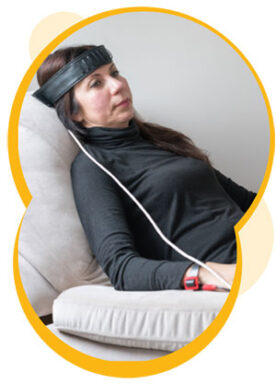 Biofeedback is a way of re-training your mind to experience pain, stress, or anxiety differently. To help calm these symptoms many different tools may be used, such as mindfulness, breathing exercises, or other techniques.
By learning how to control your response to pain, stress, or anxiety in the moment through repeated practice, your body learns relaxation techniques that can be used more easily each time you experience these feelings.
How does biofeedback work?
This treatment uses electrodes to monitor your heart rate, breathing, sweat levels, and other forms of stress markers to help regulate your body’s response to pain. When pain, stress, or anxiety occur, you can see the visual and audio effects of it through a display screen. These visual and audio representations can help you and your therapist better understand your body’s response to pain so that you can learn to control what is happening in the moment.
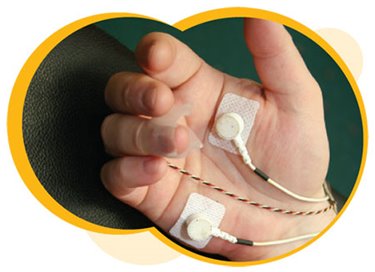 Different types of biofeedback may be collected to measure different functions of the body, including skin temperature, muscle tension and activity, sweating, brain waves, and/or heart rate. A biofeedback therapist will then use the data to select relaxation techniques and mental activities or exercises to help you learn to better regulate your body’s response.
Can biofeedback be used to treat arthritis symptoms?
Some research has found that biofeedback may be helpful for some medical conditions, though evidence of its effectiveness for arthritis is limited. Further research needs to be done to more clearly determine the impact of biofeedback on arthritis symptoms.
How do I find a provider?
Biofeedback therapy is often conducted by psychologists, psychiatrists or general physicians with special training in this area. When looking for someone who can provide biofeedback therapy, ask about the type of training or experience they have with biofeedback for pain management.
Massage therapy is an approach that some people use to treat their arthritis symptoms. The information below will help you understand more about this therapy, if it can help with your symptoms of arthritis, and how to find a provider.
What is massage therapy?
 This treatment is a form of touch therapy that uses many different techniques and approaches to help alleviate pain, stess and anxiety. Each technique involves the manipulation of soft tissues, and touch. You can specify with your therapist if you prefer a light touch, moderate, or a deeper firm pressure.
How does massage therapy work?
When used to help alleviate pain, massage therapy works by stimulating nerve endings in the surrounding tissue. The additional stimulation sends messages to the brain which compete against pain signals for attention, and alter how the brain interprets the pain signals. Massage can also help give a sense of relaxation, which can reduce muscle tension and stress, which also contributes to pain reduction.
Can massage therapy be used to treat arthritis symptoms?
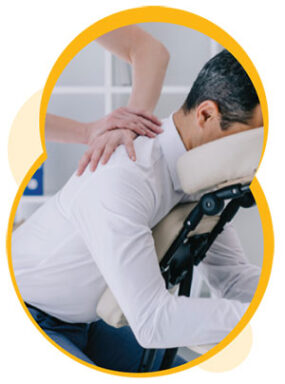 While some people with arthritis report experiencing symptom relief from massage therapy, there is currently a lack of reliable evidence on the usefulness to improve arthritis symptoms.
Using massage therapy to address arthritis symptoms involves focusing on the impacted muscles and tissues with the intention of reducing pain and swelling, increasing joint mobility, and promoting relaxation and stress relief. Massage can also help improve mood and increase blood circulation through tissue movement, which can help increase circulation to the joints.
Massage is often a lower risk form of complementary therapy, however it is not appropriate for everyone. Always check with your healthcare team before adding a new form of therapy to your treatment plan.
Massage is not recommended when people are experiencing an arthritis flare or have hot, swollen or inflamed joints, as this could make symptoms worse.
How do I find a provider?
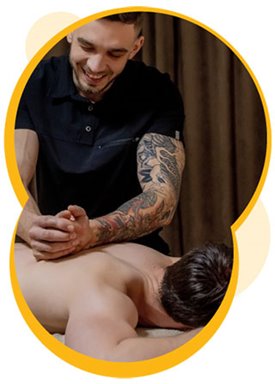 It is important to speak to your doctor or rheumatologist before trying any new treatment, to make sure that it is appropriate and safe for you.
When seeking a provider to complement to your arthritis treatment plan, be sure to use a Registered Massage Therapist (RMT) and let them know about your condition. If you have coverage for complementary therapies under a health insurance or benefits plan, these plans typically only cover services provided by a registered professional.
Mindfulness meditation is an approach that some people use to treat their arthritis symptoms. The information below will help you understand more about this therapy, if it can help with your symptoms of arthritis, and how to find a provider.
What is mindfulness meditation?
 Mindfulness practices have been used in many cultures for thousands of years. However, it is only recently that meditation and mindfulness have become more widely accepted as a form of stress relief and pain management in western medicine. Research suggests that regular practice has a strong connection to overall health and wellbeing and that it may help with managing stress and pain.
How does mindfulness meditation work?
Mindfulness for pain management works by helping you learn how to reframe feelings of pain, and any negative emotions associated with it. Gradually through practice you may be able to change your response to pain. Mindfulness, other forms of meditation, and relaxation can’t take away the pain but can help you better approach and manage it. Since tense muscles amplify pain in the joints, relaxing them can lower the amount of pain you may experience.
When practicing mindfulness for pain management, it may be helpful to also work with a licensed psychologist or social worker who can help you navigate negative emotions and feelings related to the pain you experience. Being able to re-frame any emotion attached to pain can help you manage expectations, as well as develop goal setting skills, and coping strategies that can help with pain management.
Can mindfulness meditation be used to treat arthritis symptoms?
Meditation can be an effective way to help you re-frame your experiences of arthritis pain.
 Everyone’s experience with meditation is different. For some, it can take time for mindfulness practices to feel helpful in managing pain.
There are many ways to practice mindfulness. Some of these activities can involve laying down or sitting upright in a chair and following along with a recorded guided meditation, or could include more informal practices, such as going for a mindful walk, breathing exercises, taking notice of food textures while eating, paying attention to all of your senses while doing an everyday activity, or spending time in nature.
Journaling is another practice that can help you take notice of any pain or discomfort you experience. It can also be a grounding exercise to keep track of your feelings and emotions that may impact the way you experience pain.
How do I find a provider?
Using guided mindfulness meditations available for free or a small fee online can be a low cost way to try mindfulness. However if you are looking to try mindfulness with the help of a professional, classes are sometimes offered through pain clinics, licensed psychologists or social workers specializing in pain management, or through community health centre programs. You may also find free options through some provincial health care plans. Ask your healthcare team about options for mindfulness meditation for pain management in your area.
Like other complementary therapies, mindfulness meditation is not a replacement for medication or other forms of treatment; however, meditation might be an effective complement to other pain management treatments. It is best to consult with your health care team if you wish to make any changes to your medications or treatment plans.
flourish:
Videos
Articles
Naturopathic medicine is an approach that some people use to treat their arthritis symptoms. The information below will help you understand more about this therapy, if it can help with your symptoms of arthritis, and how to find a provider.
What is naturopathic medicine?
 Naturopathic medicine is concerned with treating the whole person, with a focus on preventative health. Naturopathy tries to understand and treat the cause of symptoms rather than treating only the symptoms.
Since naturopathic medicine uses many different types of treatment to help people with their symptoms, recommendations for treating arthritis vary depending on the form of treatment you and your naturopathic doctor decide to use.
How does naturopathic medicine work?
Naturopathic medicine uses a variety of approaches to treatment. Treatment plans typically include a combination of approaches to care, including diet and lifestyle changes, use of plant-based and herbal medicine, homeopathy, Traditional Chinese Medicine, and acupuncture. All of these approaches to treatment work differently, with the idea behind naturopathy being that multiple forms of treatment are used together to help alleviate symptoms.
Can naturopathic medicine be used to treat arthritis symptoms?
There is research to support the use of some of these treatment options for people living with arthritis, but research on naturopathic medicine more generally for treatment of arthritis is limited. Since the research on naturopathic treatent for arthritis varies so widely, it is best to talk with your doctor before proceeding with a naturopathic treatment option.
How do I find a provider?
 Naturopathic medicine has been well established in Canada since the 1920’s, and naturopathic doctors have since become a regulated profession in British Columbia, Alberta, Saskatchewan, Manitoba and Ontario. In these regions, they must complete a licensing training program before they can practice their profession. After completing their training and passing the North American Board Exams, naturopathic doctors receive the designation N.D.
Although the length of the program is often several years long, it differs from the training medical doctors receive in medical school. Naturopathic medicine has less clinical training, with a primary focus on alternative treatment options.
Naturopathic doctors often work in clinic settings alongside medical doctors, offering a holistic approach to preventative care to complement the care people receive from western medicine.
It is important when looking for a naturopathic doctor to make sure they are licensed. You can search the Canadian Association of Naturopathic Doctor’s directory for a licensed naturopathic doctor near you.
Although regulated and licensed, naturopathic doctors are not covered by government health insurance plans. Some private insurance plans do offer partial coverage, however there is typically a fee associated with seeing a naturopathic doctor. Some naturopathy clinics offer services on a sliding scale or pay-what-you-can basis. If you are concerned about not being able to afford naturopathic services, consider calling some clinics near you to find out what affordable cost options might be available.
Osteopathy is an approach that some people use to treat their arthritis symptoms. The information below will help you understand more about this therapy, if it can help with your symptoms of arthritis, and how to find a provider.
What is osteopathy?
 Osteopathy takes a whole-body approach to disease prevention and health. It is a hands-on (manual) form of complementary therapy based on the following principles:
- The body is an integrated unit of mind, body, and spirit
- The body has an innate ability to heal itself
- The structure and function of the body are interrelated
Osteopathy is focused on the idea that multiple layers of the body, including soft tissue, muscles, and bones can cause or complicate illness when not in alignment.
How does osteopathy work?
An osteopath or osteopathic manual practitioner uses their hands to manipulate the joints, spine, and muscles to improve circulation and affect the body’s nervous and lymphatic systems. This treatment can involve stretching, applying gentle pressure, or resistance. As with all treatments, osteopathy carries certain risks, which can include stiffness for 24 to 48 hours after treatment, to more severe pain or other complications.
Can osteopathy be used to treat arthritis symptoms?
While osteopathy has been in practice for more than a century, more research is required to determine whether it is helpful in addressing arthritis symptoms. According to a 2017 study that reviewed research on osteopathic manual therapy (OMT), there was not enough evidence available to determine how effective it may be for arthritis.
If you are interested in trying osteopathy to address arthritis symptoms, speak to your doctor or rheumatologist first to determine whether it might be an appropriate complementary treatment option for you.
How do I find a provider?
 There are two main types of practitioners of osteopathy: Doctor of Osteopathic Medicine (D.O.) and Osteopathic Manual Practitioners.
A Doctor of Osteopathic Medicine, sometimes known as an osteopathic physician, has graduated from an accredited College of Osteopathic Medicine in the United States or another country. Like a medical doctor (M.D.), they can prescribe medications, use medical imaging to diagnose and treat health conditions, and even perform surgery.
Currently, there are no colleges of osteopathic medicine in Canada, though there are a small number of D.O.s who received training elsewhere that are currently practicing in Canada. The titles “osteopath” and “osteopathic physician” are protected terms in many regions in Canada, meaning, only someone who has received the proper training can use those titles.
There are several colleges in Canada that teach osteopathic manual practice, where a person can earn a Diploma of Osteopathic Manual Practice (Dip.O.M.P.) or a Masters in Practice of Osteopathic Manual Sciences (M. O.M.Sc.). Unlike D.O.s, they are not licensed to practice medicine.An osteopathic manual therapist uses hands-on therapy focused on improving a patient’s circulation and mobility, reducing pain, and improving the overall function of their body.
Manual osteopathy is not a regulated health profession in Canada, so make sure to learn about a practitioner’s credentials before booking an appointment.
Traditional Chinese Medicine is an approach that some people use to treat their arthritis symptoms. The information below will help you understand more about this therapy, if it can help with your symptoms of arthritis, and how to find a provider.
What is Traditional Chinese Medicine?
 Traditional Chinese Medicine (TCM) takes a holistic approach to healing and wellness. It involves thinking about the body systems as part of a holistic energy flow known as qi [pronounced chee] that flows along pathways called meridians. It is thought that when these meridians are blocked or unbalanced, illness can occur. TCM uses many methods to try and restore balance and strong qi to the meridians.
Qi is thought to be influenced by external and internal forces as well as lifestyle factors. External forces include environmental factors such as wind, cold, heat, dampness, and dryness, while internal forces include emotions such as joy, anger, and fear. Lifestyle factors could include poor diet, lack of exercise, or too much alcohol.
According to TCM practice, rheumatoid arthritis belongs to a group of diseases caused by the penetration of wind, cold, and dampness in muscles, sinews, bones, and joints. This can result in pain, soreness, and heaviness.
How does Traditional Chinese Medicine work?
Traditional Chinese Medicine uses acupuncture, herbal medicines, cupping therapy, exercise, and tui na (a form of massage) to help restore balance to qi and re-establish health. TCM can also be used as preventative care.
Can Traditional Chinese Medicine be used to treat arthritis symptoms?
 While there are research studies on the use of Traditional Chinese Medicine for rheumatoid arthritis symptoms, its helpfulness remains unclear due to limitations in study control variables as well as study size and effect size. Further research is required before the impact of TCM on arthritis can be determined.
How do I find a provider?
If you decide to try Traditional Chinese Medicine, it should be used to complement the arthritis treatment plan advised by your medical team, not as a substitution. It is recommended to inform your primary care provider about any medications or herbs prescribed by your TCM provider to prevent any interactions or unwanted side effects.
Traditional Chinese Medicine is a regulated profession in Canada. To find more information about registered practitioners in your area, visit The Chinese Medicine and Acupuncture Association of Canada.
Cognitive Behavioural Therapy (CBT) and Talk Therapy are approaches that some people use to treat their arthritis symptoms. The information below will help you understand more about this therapy, if it can help with the symptoms of your arthritis, and how to find a provider.
What are Cognitive Behavioural Therapy (CBT) and Talk Therapy?
 Talk therapy is performed by a licenced social worker, psychologist, or psychiatrist who help people to explore distressing topics through conversation. This can involve many different strategies to help manage day to day concerns. Cognitive behavioural therapy is one strategy that can be used in talk therapy to help manage negative feelings about pain, illness, stress, or anxiety.
Cognitive behavioural therapy, also known as CBT, can be used for many types of distress, emotional discomfort, or pain management. It is a form of re-training the mind to think about experiences of pain, heightened anxiety, or stress in ways that allow you to observe and respond differently, in hopes of lessening your pain over time.
How do Cognitive Behavioural Therapy (CBT) and Talk Therapy work?
Cognitive Behavioural Therapy involves re-training the mind to respond to pain or negative emotions differently. When we experience negative emotions, such as worrying that a pain flare will never end, anxiety and stress can lead to tense muscles, which can then lead to feeling more pain.
CBT is often guided by a therapist, but you can also use self-directed techniques to learn different ways to react to pain. It can help keep your thoughts in the present moment and reduce pain that can arise when worrying about the future.
Can Cognitive Behavioural Therapy (CBT) and Talk Therapy be used to treat arthritis symptoms?
 Talking about pain and having someone acknowledge the difficulty you experience can be a helpful step in working towards managing your pain. Consider talk therapy with a therapist trained in chronic illness or pain management. They may be able to help provide additional guidance and strategies specific to you and your experience of pain and disease management. Talk therapy involves speaking to a trained professional about your experiences, thoughts, and feelings so that together you can identify any negative patterns and strategies to change them.
While cognitive behavioural therapy can be a helpful tool for managing pain, negative mood, fatigue, and overall health, it is important to note that not every form of therapy will be a good fit for you and your life.
If you try CBT and it doesn’t feel like a good fit, consider revisiting CBT again at another point in your arthritis journey. Since CBT is often more goal-focused and limited to fewer therapy sessions, talk therapy may be another helpful option to learn more about pain and chronic illness management strategies.
How do I find a provider?
When searching for someone who can provide talk therapy, look for someone who is licensed to practice social work, psychology, or psychiatry and registered with their regulatory body for your province or territory.