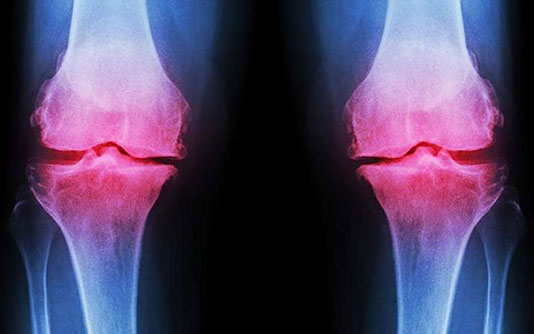
Osteoarthritis (OA) is the most common type of arthritis. It affects more Canadians than all other forms of arthritis combined. While there currently is no cure for OA, there are actions you can take to help manage your symptoms and protect your joints. An increasing amount of research supports the effectiveness of activity and exercise. . .
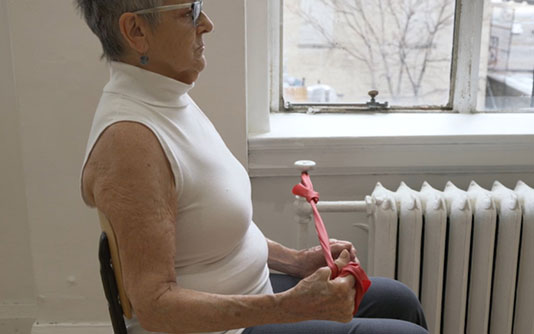
Top 10 arthritis exercises you can do almost anywhere All exercises should be performed 20 times or as tolerated. 1. Ankle circles Sit upright in chair with feet stretched out in front. Rotate feet in one direction. Repeat in opposite direction. 2. Heel/toe lift Sit forward on a chair with feet flat. Lift heels, keeping. . .
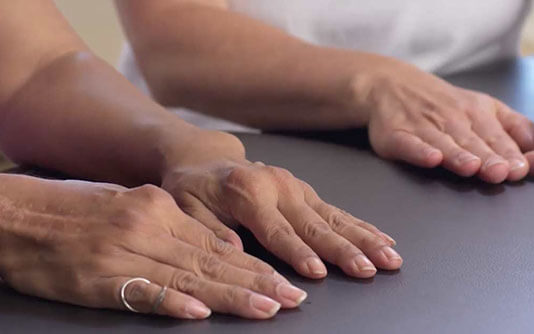
When you have arthritis in your hands, the pain and restricted range of motion can make many daily tasks more difficult. However, whether your arthritis is mild or severe, there are things you can do to help maintain and even improve your mobility. In this Arthritis Advice video, Arthritis Society Canada physiotherapist Ingrid Beam presents. . .
If you’re carrying extra weight, your health care provider has likely encouraged you to lose some pounds to help manage your arthritis, particularly osteoarthritis (OA). Being overweight also significantly increases your risk of developing OA, especially in knees. Of course, losing weight can be a challenge when you’re living with arthritis: pain, fatigue and stiffness. . .

Staying active and keeping your joints moving is one of the most important things a person with arthritis can do to help manage their symptoms and mobility. One of the best and easiest ways to stay active is by walking. Even though you may have been walking for most of your life, there are still. . .
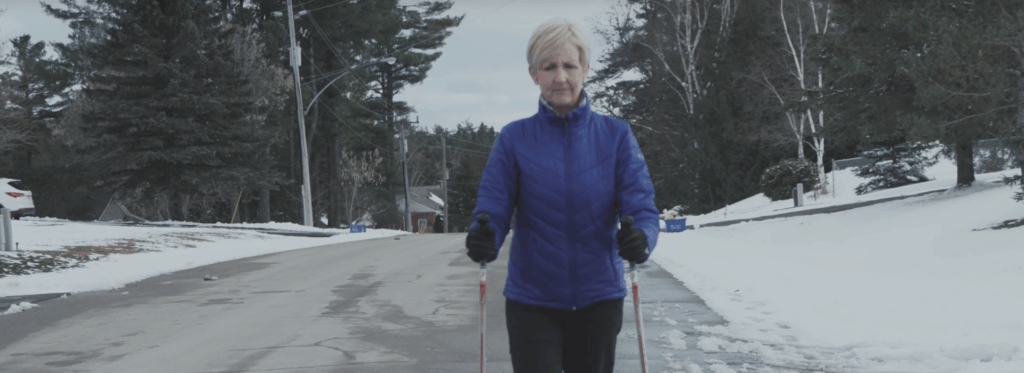
Staying active is a vital part of living well. For many people with arthritis, Nordic walking can be a safe and fun way to get fit, stay active and retain your mobility. Nordic walking can help just about anyone, especially people with lower body issues such as spinal stenosis, osteoarthritis of the knees, hips or. . .
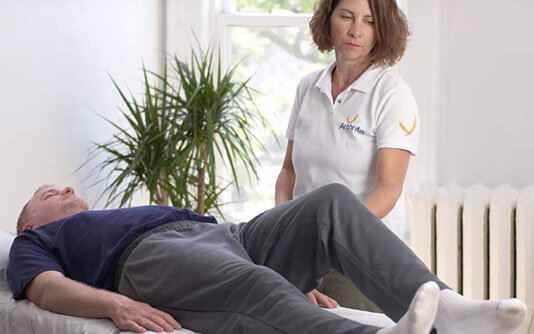
Many people with arthritis find that it impacts their flexibility and range of motion in the joints of their spine – their neck or back. If you live with back or neck pain or mobility restrictions, you know just how much it can limit your ability to engage fully in daily activities. Fortunately, there are. . .

Exercise is a wonderful thing, head to toe. It gives you increased muscle strength and endurance, enhanced range of motion of your joints, as well as improved balance and bone strength. It can even improve your sleep, self-confidence and ability to manage stress and depression. However, sports injuries can also lead to an increased risk. . .
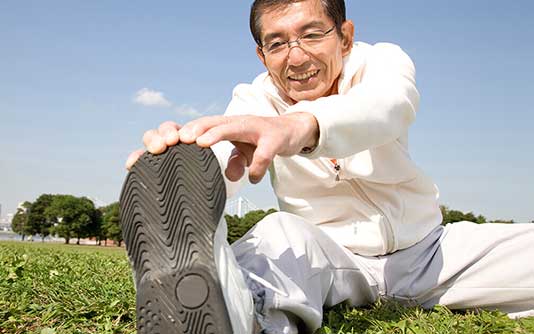
Hello, exercise: How to ease back into fitness When it hurts to move, it seems to only make sense not to move. But here’s the deal: moderate exercise improves your joint function, mood and flexibility, actually leading to less pain. If regular fitness has fallen way, way off your to-do list, check out these ideas to help. . .