Self-management of inflammatory arthritis can include a number of activities that you can do on your own to help alleviate symptoms of arthritis, inflammation, or joint pain. Many people find that adapting their diet, performing specific exercises, adjusting sleep habits, or supporting mental wellness can be helpful strategies in the day-to-day management of symptoms.
While there are some similarities between self-management activities across all forms of arthritis, people living with inflammatory arthritis may benefit from different activities than people living with osteoarthritis. Although gout is the most common form of inflammatory arthritis, the treatment used for gout involves much more diet modification than other forms of arthritis and has its own self-management page with information specific to gout.
Protecting your joints
When possible, avoid using your joints in ways that cause excess stress. Techniques to protect your joints include:
- Pacing
Alternate heavy or repeated tasks with lighter tasks. Take breaks to reduces stress on painful joints and conserve energy by allowing weakened muscles to rest. - Positioning
Intentional positioning of joints can promote proper alignment and decrease stress on the joints. For example, squatting and kneeling may put extra stress on your hips or knees. When lifting or carrying heavy items, keep items at waist height and avoid carrying them up and down stairs. - Assistive devices
Using helpful tools and assistive devices to conserve energy can make daily tasks easier. Raise seat levels to decrease stress on hip and knee joints. Use a “reacher” to pick up items from the ground. Use a cane to decrease stress on hip and knee joints. Enlarge grips on utensils, such as spoons or peelers, to decrease stress on delicate hand joints. Other devices to consider include carts for carrying objects and jar and tap openers. - Occupational or physiotherapy
Talk to your doctor about seeing an occupational therapist or physiotherapist, who may prescribe splints, braces or orthotics (shoe inserts) to help align and support your joints.
Occupational therapy
An occupational therapist (OT) trained in arthritis management can analyze everything you do in a day and develop a program to help you protect your joints and minimize fatigue. These healthcare professionals have advanced post-secondary training and are registered to practice by their provincial/ territorial association. If necessary, they can help you redesign your home or workplace to make it easier for you to work or simply get around. They can also make or recommend a number of different splints, braces, orthopedic shoes and other aids that can help reduce your pain and increase your mobility and functionality. Their goal is to prepare you to live as fully and comfortably as possible.
Physiotherapy
A physiotherapist (PT) can develop an individualized program to help you increase your strength, flexibility, range-of-motion and general mobility and exercise tolerance through a wide variety of therapeutic treatments and strategies. These include exercise programs, physical interventions and relaxation, in addition to advising you on other techniques for reducing pain and increasing your overall quality of life. PTs can also refer you to other health professionals and community services for further measures that will help you adapt to your changing circumstances.
Physical activity
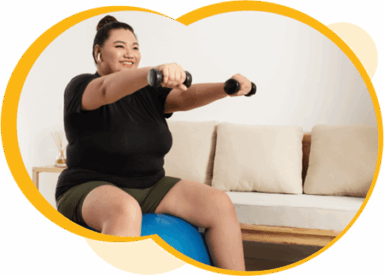 While it might feel natural to want to rest when you do not feel well or when your joints feel painful or stiff, not enough exercise can cause muscle weakness and worsening of joint pain and stiffness. However, when experiencing a flare and your joints are swollen, hot, red, or inflamed, they should be rested, though light range of motion exercise can still be done.
Physical activity protects joints by strengthening the muscles around them. Strong muscles and tissues support joints that have been weakened and damaged by arthritis. A properly designed program of physical activity (with advice from a healthcare provider, such as a physician or a physiotherapist/occupational therapist) can reduce pain and fatigue, improve mobility and overall fitness and help alleviate depression. Physical activity can help someone with arthritis to lead a more productive and enjoyable life.
There are different types of exercises you can do to lessen your pain and stiffness:
- Range of motion (also called stretching or flexibility exercises)
Exercises that reduce pain and stiffness and keep your joints moving. To achieve the most benefit, these exercises should be done daily. - Strengthening
Exercises that maintain or increase muscle tone and protect your joints. These exercises include weight training movements done with a set of “free” weights, your own body weight or weight machines. - Endurance
Exercises that strengthen your heart, give you energy, control your weight and help improve your overall health. These exercises include walking, swimming and cycling. It is best to avoid high-impact exercises like step aerobics, jogging or kickboxing.
There are many low-impact exercise options that can benefit people living with arthritis. Consult your healthcare provider to find an exercise(s) that is suitable to you and your specific circumstances. Some examples of lower impact activities include:
- Tai Chi: An ancient Chinese martial art, Tai Chi is a combination of movements performed in a slow, focused manner. Though it has many variations and styles, Tai Chi is a low-impact exercise and is reminiscent of both yoga and meditation. Tai Chi can improve pain and physical function in some people as well as alleviate depression and contribute to health-related quality of life.
- Yoga: Numerous studies have been done about the benefits of yoga on stress and anxiety. The practice of breath control, simple meditation and stretching can improve a person’s state of mind and help them better manage their pain. Regular yoga under the guidance of a certified instructor can also boost one’s general health and increase energy levels.
- Aerobic Exercise: Low-impact aerobic exercise that gets your heart pumping, such as swimming, biking and brisk walking, can help improve your sleep, keep weight under control and alleviate stress and depression that is sometimes linked to inflammatory arthritis. It can also protect you against heart disease, which people living with inflammatory arthritis have an increased risk.
Visit the Physical Activity Hub
Heat & Cold
Heat
Taking a warm shower and using warm packs are ways to help reduce pain and stiffness. It is recommended to always use a protective barrier, such as a towel, between the warm pack and your skin. Heat is ideal for: Heat is ideal for:
NOTE: To avoid making symptoms worse, heat should not be applied to an inflamed joint. |
Cold
Using a cold pack (commercial, or homemade from crushed ice, ice cubes or a bag of frozen vegetables) can be helpful. It is recommended to always use a protective barrier, such as a towel, between the cold pack and your skin. Cold is ideal for:
|


Healthy eating
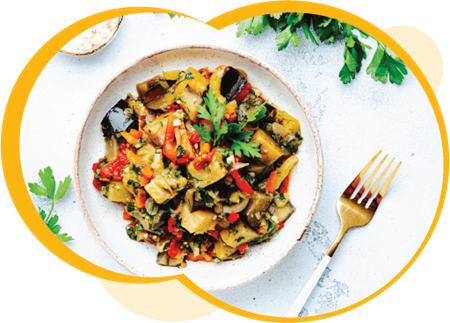 A white plate with cooked vegetables sits on a white and grey stone countertop. A gold fork with a white handle sits to the right of the plate. There are green herbs and a small bowl of salt on the table surrounding the plate.People living with inflammatory arthritis often experience a loss of appetite and/or weight loss due to both symptoms of arthritis, and medication side effects. Maintaining a healthy diet can help maintain weight, and eating smaller and more regular meals can help with symptoms of nausea, or a general feeling of “unwell” that can be caused by medication side effects. Having a nutritionally balanced diet can also provide more energy to complete your daily activities as well as to promote a strong immune system, and bone and tissue health.
Before making any new adjustments to your eating, consider asking your healthcare team for a referral to a dietitian. Dietitians will work with you to make adjustments to your eating in a way that fits with your health needs, and lifestyle.
Some of the more common suggestions to improve overall nutrition include:
- Reduce sugar intake
Sugar adds calories, but few other nutritional benefits. Sugar refers to white, brown, cane and raw sugar as well as syrup and honey. Instead, consider using dried fruits such as raisins or dates to sweeten food since they provide vitamins, minerals and fibre. Although artificial sweeteners contain few calories, it is better to minimize their use and just get used to food being less sweet. - Eat more vegetables and fruit
Vegetables and fruit should make up the largest component of your diet. Try to have at least one vegetable or fruit at every meal and as a snack. Besides being an excellent source of energy, vegetables and fruit boost your fibre intake. Fibre makes you feel full and can help control how much you eat. - Choose “healthy fats”
The type and amount of fat you eat is important. You need some fat in your diet, but too much can be bad for your health. Fat is high in calories and some types of fat (saturated and trans fats) may increase your risk of developing heart disease. Polyunsaturated and monounsaturated fats are recommended as the main source of fat in your diet. Monounsaturated fat is found naturally in olive and canola oil, avocadoes and nuts like almonds, pistachios and cashews. Polyunsaturated fats, especially omega-3 and omega-6 fatty acids, can be found in cold-water fish (such as char, mackerel, salmon and trout), walnuts, sunflower seeds and flaxseeds. Fats that should be limited include trans fats, which are found in fried and processed foods, and saturated fats, which mainly come from animal sources of food, such as red meat, poultry and full-fat dairy products. Choose healthier dairy products (such as skim, 1 or 2% milk, low-fat yogurt and low-fat cheese).
Healthy eating resources:
Dealing with nausea and eating
Trying to eat while nauseous is not a nice feeling. When nausea is a side effect caused by medication, it can sometimes be improved by having something in your stomach. Some people prefer cold foods when feeling sick, while others prefer warm foods or drinks. Try different things to see what works best for you.
If you are struggling to eat with your medication, try these tips:
- Have small meals spread out more often throughout the day (6 small meals instead of 3 big meals).
- Consider mixing your favourite vegetables and fruits into a smoothie (try this recipe for a Ginger Blueberry Smoothie).
- Drink a warm mug of ginger or peppermint tea to help settle your stomach.
- Use acupressure wrist bands.
Relaxation and coping skills
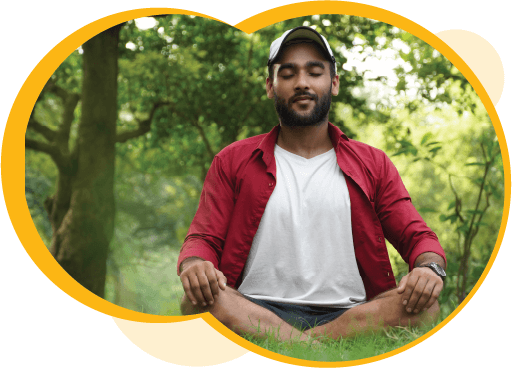 Relaxation and mindfulness skills can help with coping and pain management. Developing good relaxation and coping skills can also help you maintain greater life balance, which can contribute to a sense of control over your arthritis and improve your mood.
Relaxing the muscles around a sore joint reduces pain. Practicing relaxation techniques can also help you manage the pain when other methods are not helping. Over time you may be able to transform the sensation of pain into other feelings using visualization techniques, mindfulness, and breathing exercises. Although helpful, there is no one way to manage pain, but developing these skills can help you manage in a variety of different situations.
Talk with your doctor or healthcare team if nausea persists. There are medications that can also help with treating nausea.
Relaxation and coping skills resources:
Complementary medicine
People with a chronic disease like inflammatory arthritis may decide to try complementary and alternative therapies to help them manage the symptoms of their condition.
Before you try any of these treatments, always inform your healthcare provider of any complementary and alternative therapies you are taking, receiving or would like to try. Your healthcare provider can offer valuable advice about these treatments, especially how they may affect other medications and treatments.