Members of the integrated Scientific and Medical Committee (ISMAC) provide expert advice to the Chief Science Officer on strategic directions and priorities for the Arthritis Society’s research, information, support tools and resources. ISMAC members provide scientific, clinical, and knowledge translation expertise, as well as consumer perspectives to support best practices across the spectrum of research pillars, resource allocation, partnerships, advocacy, and input into the review of the performance of the Arthritis Society Canada’s mission impacts.

Tom Appleton, MD, PhD – Western University
Chair
Dr. Tom Appleton is passionate about rheumatology research and clinical care. In 2016, he was recruited to the Division of Rheumatology at the University of Western Ontario with cross appointments to the Departments of Physiology and Pharmacology and Health and Rehabilitation Sciences.
Dr. Appleton is the Director of the Western Multidisciplinary Osteoarthritis Centre, where he leads clinical trials, cohort studies, and the rheumatology MSK ultrasound consult service. He currently holds Tri-Council and international funding as principal investigator for clinical and translational studies in osteoarthritis and rheumatoid arthritis. As Director of the Synovial Translational Biology Laboratory at Western, his research team aims to discover new arthritis treatments by studying how the immune system interacts with the joint environment during osteoarthritis and rheumatoid arthritis.
Dr. Appleton is a past director of the Ontario Rheumatology Association and past chair of the Canadian Rheumatology Association Scientific Committee. He currently serves as clinical advisor to the Western Bone and Joint Institute, and chair of the Ontario Rheumatology Association Informatics Committee due to his interest in real-world evidence and improving outcomes for patients with rheumatic diseases. He also leads the Ontario Rheumatic Diseases Evaluation Registry (ORDER) project.

Cheryl Barnabe, MD – University of Calgary
Dr. Cheryl Barnabe is a member of the Métis Nation of Alberta, a Rheumatologist, a Canada Research Chair in Rheumatoid Arthritis and Autoimmune Diseases, the incoming Director for the McCaig Institute for Bone and Joint Health (January 2024), and a Professor in the Departments of Medicine and Community Health Sciences, Cumming School of Medicine, University of Calgary.
Dr. Barnabe’s research program focusses on equity in health service delivery and arthritis outcomes, most specifically for Indigenous populations in Canada. She also performs epidemiologic research in Rheumatoid Arthritis outcomes as impacted by lifestyle and environmental exposures. Over the past decade she has provided rheumatology clinical care in the Treaty 7 territory in both urban and rural settings and provided continuing medical education training in building relationships with Indigenous patients.
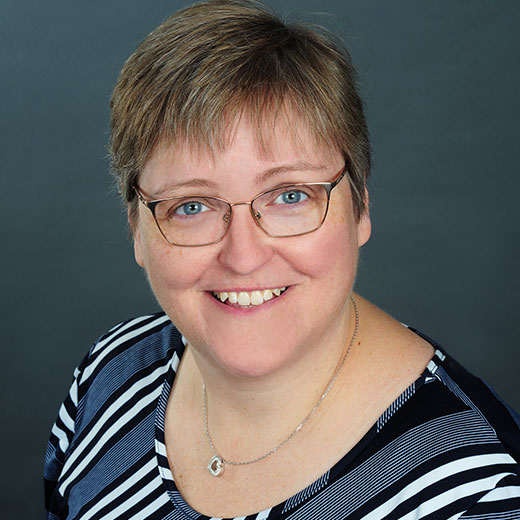
Jennifer Boyle – Patient Representative
Jennifer Boyle was diagnosed with psoriatic arthritis at the age of 20 after years of living with symptoms. She started volunteering in research with Arthritis Society Canada in 2008 and was the Toronto Site Coordinator for the Patient Partner in Arthritis Program until 2021.
Jennifer was the volunteer webmaster and administrator for the Arthritis Health Professions Association (AHPA) from 2015-2022 and currently volunteers for numerous arthritis-related research and educational programs, including serving as a Patient Research Partner for the Psoriatic Arthritis Clinic & Research Program, a Patient Partner for the Ontario Best Practice Research Initiative at the University Health Network, a Patient Expertise in Research Collaboration (PERC) member at McMaster University, the Co-Chair of the Patient Advisory Committee at the Centre for Advancing Collaborative Healthcare and Education (CACHE), and a member of the Interfaculty Curriculum Committee (IFCC) at the University of Toronto.
As a result of her exceptional volunteer efforts, Jennifer received Arthritis Society Canada’s 2013 Ontario Volunteer Impact Award for her research, education, and knowledge translation work, the 2016 Ontario Medal for Good Citizenship, the 2018 Arthritis Health Professions Association Extraordinary Service Award, and the 2022 Arthritis Health Professions Association Honorary Membership. Her CACHE team also received the 2023 University Health Network President’s Award for Local Impact.
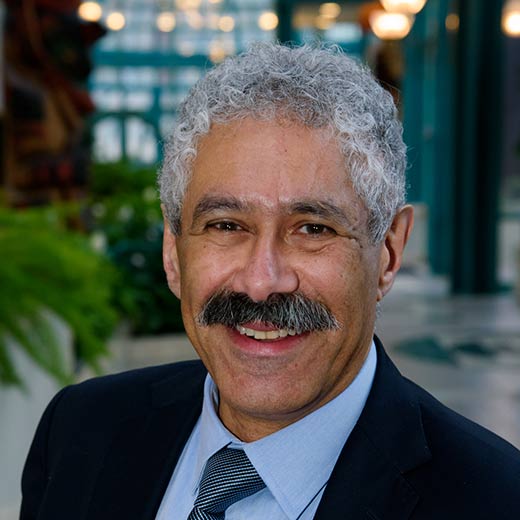
Hani El-Gabalawy, MD, FRCPC – University of Manitoba
Dr. Hani El-Gabalawy is a Professor of Medicine and Immunology, Associate Department Head (Internal Medicine) – Research, senior clinician-scientist, Endowed Rheumatology Research Chair at the University of Manitoba, former Section Head of Rheumatology and Arthritis Centre Director and the former Scientific Director of the Canadian Institutes of Health Research (CIHR) Institute for Musculoskeletal Health and Arthritis.
Dr. El-Gabalawy received his pre-medical and medical studies degrees at the Faculties of Science and Medicine at the University of Calgary and completed his Internal Medicine training and Rheumatology Fellowship at McGill University. From 1997-2000, he was a visiting scientist at the National Institute of Arthritis and Musculoskeletal and Skin Diseases (NIAMS) in Bethesda, Maryland. In 2000, he returned to the U of Manitoba where he continued his research work in the area of pathogenesis and prognosis of early inflammatory arthritis. Dr El-Gabalawy has established a unique cohort of high risk First Nations family members of RA patients who are being followed longitudinally for the earliest evidence of RA onset for which he has received uninterrupted funding from CIHR since 2005. His current research interests center around the pathogenesis of rheumatoid synovitis and the mechanisms involved in the initiation of synovial inflammation.
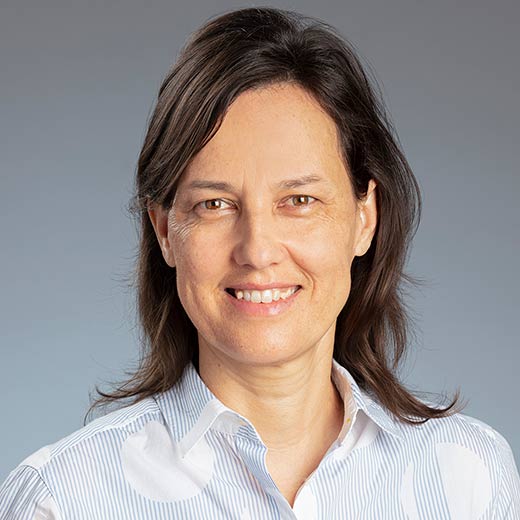
Maria Fernandes, PhD – Universite Laval
Dr. Maria Fernandes is an Associate Professor in the Department of Microbiology-Infectiology and Immunology, at the Laval University School of Medicine, and a member of the Infectious Diseases and Immunology Axis of the CHUQ Research Center, CHUL Pavilion.
The overall goal of the research in Dr. Fernandes’s laboratory is to further understanding of the role of inhibitory receptors in the immunopathogenesis of rheumatoid arthritis and gout using a multidisciplinary approach. Her laboratory is also involved in the development of a new anti-inflammatory drug for patients with contraindications to currently used medications.
Dr. Fernandes’s research revealed that the C-type lectin receptor known as Clec12A is involved in the pathogenesis of rheumatoid arthritis and gout. This discovery provides insight into one of the mechanisms through which the immune system is deregulated in these diseases. Her current working hypothesis is that in gout and rheumatoid arthritis, the Clec12A inhibitory pathway is not fully functional, causing myeloid cells to be more easily activated. The results of our research will also shed light onto the dysregulation of the immune system in other chronic inflammatory diseases since CLEC12A seem to be involved in various pathologies.

Monique Gignac, PhD – Institute for Work and Health, University of Toronto
Dr. Monique Gignac is Scientific Director and a Senior Scientist at the Institute for Work & Health and a Professor at the Dalla Lana School of Public Health at the University of Toronto. She was Scientific Co-Director of the Canadian Arthritis Network, a Networks of Centres of Excellence from 2008-2014.
Dr. Gignac’s research expertise is in the areas of health and social psychology, including health models of disability. Her research examines psychosocial factors like stress, coping, and adaptation and their importance in understanding the impact of chronic conditions on the lives of adults across the life course. Of particular interest is research on workplace communication, privacy, and accommodation needs among individuals living with chronic, episodic conditions. Dr. Gignac has a strong collaborative program of research and study designs in her research program span community health surveys, qualitative research, intervention studies, measurement design and evaluation, and analyses of population health datasets.
Dr. Gignac has received recognition for her research, leadership, and service with an inclusive design award from MaRS-CIBC (2022) for the Job Demands and Accommodation Planning Tool (JDAPT), a Queen Elizabeth II Diamond Jubilee Medal (2013), and awards from the Canadian Networks of Centres of Excellence (2011), Canadian Institutes of Health Research (CIRH), and the international Association of Rheumatology Professionals (ARP).

Cathie Hofstetter – Patient Representative
Cathie Hofstetter was diagnosed with rheumatoid arthritis in 1992. In 1997 she began working with the Arthritis Society as a speaker and spokesperson. In 2002 she joined the Consumer Advisory Board of the Canadian Arthritis Network and the Ontario Division Board of the Arthritis Society. She subsequently served on the National Board as the Ontario Division representative and also served on the Scientific Advisory Committee and Advocacy Committee of the National Board. After her terms were completed, she became involved in OMERACT (Outcome Measures in Rheumatology) where she participates in many of the working groups including the Technical Advisory Group and currently chairs the Patient Advisory Committee of the Ontario Best Practices Research Initiative (OBRI). She is involved with the COCHRANE Collaboration doing reviews for some of the editorial groups and is a member of the Canadian Arthritis Patient Alliance. Cathie serves on the Research and Business Advisory Board of the Bone and Joint Institute and the MSK Rehab Network, both at Western University. Though retired from her business since 2018, she is still actively involved with both the Canadian Fence Industry Association and the Canadian Association of Women in Construction. She is the recipient of the Queen Elizabeth II Gold and Diamond Jubilee medals for her work with the Arthritis Society and is the inaugural recipient of the Qualman-Davies Arthritis Consumer Community Leadership Award.
Cheryl Hubley-Kozey, PhD – Dalhousie University
Dr. Cheryl Hubley-Kozey is a Professor in the Schools of Physiotherapy and Biomedical Engineering, Dalhousie University, Co-Director of the Dynamics of Human Motion, Affiliated Scientist, Nova Scotia Health Authority and Associate Scientist, Maritime SPOR Support Unit. Dr. Kozey served as Director of Biomedical Engineering leading a successful NSERC CREATE Training program, and more recently as the Associate Dean Research and Acting Dean for the Faculty of Health where the faculty launched a successful doctoral program (2015) and added six new CRC positions. Dr. Kozey’s primary research focus is on improving mobility (i.e. walking, physical function) of people with musculoskeletal problems; specifically knee joint osteoarthritis and lower back disorders. She has published over 80 journal articles, 10 book chapters and reports, has delivered 79 invited presentations and over 150 conference papers, and has captured $5.9M ($4.6M as principal investigator) in grant funding. She has supervised numerous undergraduate, master’s, doctoral and post-doctoral research trainees, plus medical and physiotherapy professional students in a collaborative multidisciplinary environment. Students have been highly successful with winning external awards and research prizes and all have continued their academic training or went on to careers in health research, health professions or health administration. Dr. Kozey is recognized nationally and internationally for her work on knee osteoarthritis that has led to a new understanding of the role that muscles play in osteoarthritis processes and interventions with a goal to improve mobility and physical activity so that those afflicted can attain the health and joint health benefits by remaining physically active. Her expertise and leadership were formally recognized through the Canadian Society for Biomechanics Career award. She has been a contributor to many Arthritis Society committees and panels over the past decade and is a member of the Canadian Musculoskeletal Rehab Research Network.
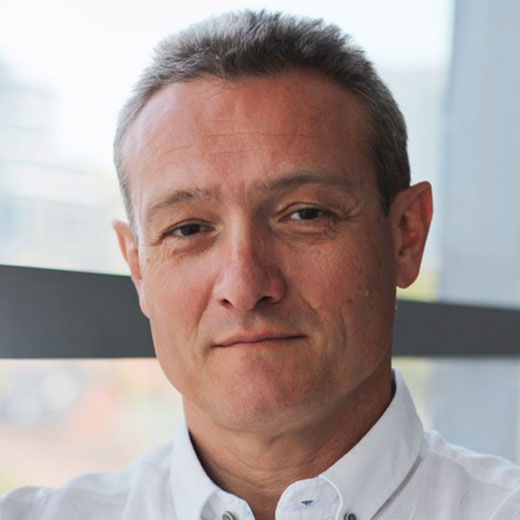
Igor Jurisica, DSc – Krembil Research Institute, UHN
Dr. Igor Jurisica is a Senior Scientist at Osteoarthritis Research Program, Division of Orthopedic Surgery, Schroeder Arthritis Institute and Data Science Discovery Centre for Chronic Diseases, Krembil Research Institute, Professor at University of Toronto, and Visiting Scientist at IBM Centre for Advanced Studies. Since 2015 he has served as Chief Scientist at the Creative Destruction Lab, Rotman School of Management, and since 2021 has served as the scientific director of the World Community Grid.
His research focuses on integrative informatics and the representation, analysis, and visualization of high-dimensional data to identify prognostic/predictive signatures, determine clinically relevant combination therapies, and develop accurate models of drug mechanism of action and disease-altered signaling cascades. Dr. Jurisica has published extensively on data mining, visualization, and integrative computational biology and has received international recognition for his work in artificial intelligence and its role in drug discovery and advanced healthcare.
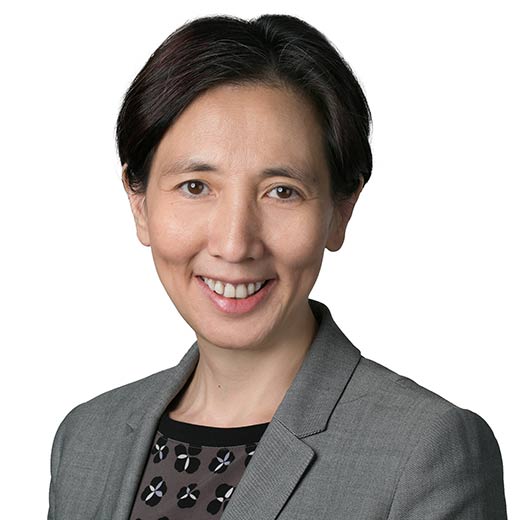
Linda Li, PT, PhD – University of British Columbia
Dr. Linda Li is Professor and Harold Robinson/Arthritis Society Chair at the Department of Physical Therapy, University of British Columbia, and Senior Scientist at Arthritis Research Canada. She holds a Canada Research Chair in Patient-oriented Knowledge Translation. Dr. Li’s research centers on improving the care for people with arthritis and empowering patient self-care. Her work focuses on the integration of online, mobile, and wearable tools in health care. Examples include the use of interactive decision aids for improving communication between patients and health professionals, and the use of wearables and apps to promote physical activity in people with chronic bone and joint diseases. Dr. Li’s work in knowledge translation and implementation science has led to a new line of studies on the benefits of engaging patients and the public in the research process. Her work has been recognized by a Distinguished Scholar Award from the Association of Rheumatology Professionals (a division of American College of Rheumatology). In 2019, she was inducted as Fellow of the Canadian Academy of Health Sciences.

Laurie Proulx – Patient Representative
Laurie Proulx has lived with Juvenile Rheumatoid Arthritis for over 30 years in a time where treatment options and outcomes were very different for people with arthritis. It is her experiences that led to her involvement in the Canadian Arthritis Patient Alliance (CAPA), a grass-roots patient driven and managed organization, where is now part-time Managing Director.
Laurie believes that people with arthritis should be involved in all aspects of health care and in policy decision making. This belief led her to become self-employed where she works as a consultant offering services focused on community engagement, health and social policy, patient education, and knowledge translation.
Laurie has worked as a patient partner in research for over 15 years working on teams studying surgical safety, clinical practice guidelines, transparency in research, patient engagement, outcome measures, shared decision making, and patient preferences. Laurie was also the recipient of the Canadian Institutes of Health Research prize on Inclusive Research and Team Science in 2023.

Raja Rampersaud, MD, FRCSC – University of Toronto
Dr. Raja Rampersaud, MD, FRCSC
Spine Surgeon, Arthritis Program
Toronto Western Hospital, University Health Network
Professor of Surgery, University of Toronto
Clinician Investigator, Krembil Research Institute
Provincial Clinical Lead, Low Back Pain Pathway
Past President of the Canadian Spine Society
Dr. Raja Rampersaud’s national and internationally recognized research focuses on comparative effectiveness as well as health services research aimed at improvements in the delivery of patient centered musculoskeletal and spine care. He is an advocate for interprofessional models of care for spine and musculoskeletal disorders. He has developed the Inter-professional Spine Assessment and Education Clinic (ISAEC) program which has been provincially implemented as the Rapid Access Clinics – Low Back Pain Pathway. He is the provincial clinical lead for the Ministry of Health and Long-Term Care Low Back Pain Strategy and served as the co-chair for the Provincial Quality Based Pathway (QBP)-Spine as well as the Quality Standard for Acute Low Back Pain. He is the past president of the Canadian Spine Society and co-developed the Canadian Spine Outcomes and Research Network (CSORN). From a surgical perspective Dr. Rampersaud is a recognized leader and innovator in minimally invasive spinal surgery and his research surgical safety.

Marinka Twilt, MD, PhD – University of Calgary
Dr. Marinka Twilt is an associate professor in the Department of pediatrics and a clinician scientist at the University of Calgary’s Cumming School of Medicine and current CARRA JIA committee Chair.
Dr. Twilt received her Medical School training in the Netherlands at the Erasmus University. After medical school she proceeded in obtaining her MSc Clinical epidemiology and her PhD at the Erasmus University in Rotterdam before her residency in pediatrics at the Leiden University Medical Center in Leiden. Dr. Twilt moved to Canada to perform her pediatric rheumatology training at the Hospital for Sick Children in Toronto. Before joining the Alberta Children’s Hospital and University of Calgary as a clinician scientist in 2015, Dr Twilt worked at the Birmingham Children’s Hospital in Birmingham, UK and Aarhus University Hospital, Aarhus Denmark.
Dr Twilt has established specific expertise in the field of JIA-associated TMJ arthritis, vasculitis, and precision medicine in JIA. Her current research interests center around JIA-associated TMJ arthritis, Vasculitis, and precision medicine.
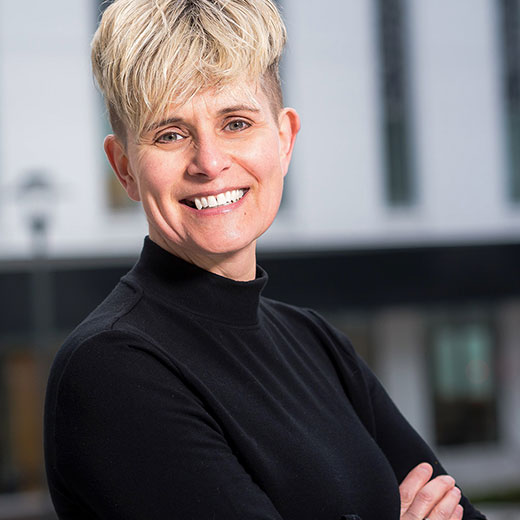
Jackie Whittaker, PT, PhD – University of British Columbia
Dr. Jackie Whittaker is an Associate Professor in the Department of Physical Therapy at the University of British Columbia and is recognized as a Clinical Specialist in Musculoskeletal Physiotherapy by the Canadian Physiotherapy Association.
Dr. Whittaker’s research focuses on preventing chronic musculoskeletal conditions, with a particular emphasis on knee osteoarthritis resulting from youth traumatic sports-related injuries. The primary aim of Dr. Whittaker’s work is to improve patient outcomes. A further interest is the application of diagnostic imaging in the management of musculoskeletal conditions. Her research has direct implications for the clinical management of individuals with sport-related knee injuries and has included the identification of common factors that mediate knee injury as well as the onset and progression of post-traumatic osteoarthritis.
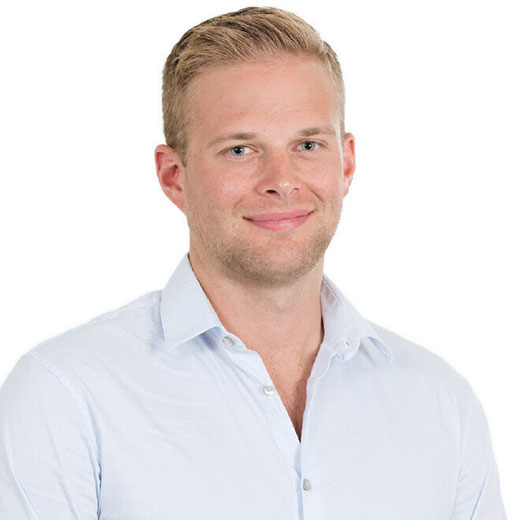
James Young, PhD – University Health Network
Dr. James Young is a chiropractor and a Postdoctoral Fellow in Integrated Arthritis Care at the Schroeder Arthritis Institute at the University Health Network. He is also a Postdoctoral Fellow in the Center for Muscle and Joint Health at the University of Southern Denmark and an Adjunct Professor in the Department of Research Partnerships and Health Policy at the Canadian Memorial Chiropractic College.
Dr. Young’s research focuses on the management of knee and hip osteoarthritis and lumbar spinal stenosis, outcome measurement science, and health system strengthening for musculoskeletal disorders. He currently holds funding from Arthritis Society Canada and the Canadian Institutes of Health Research (CIHR) for his work on integrated surgical and non-surgical care for musculoskeletal disorders, including knee and hip osteoarthritis.